
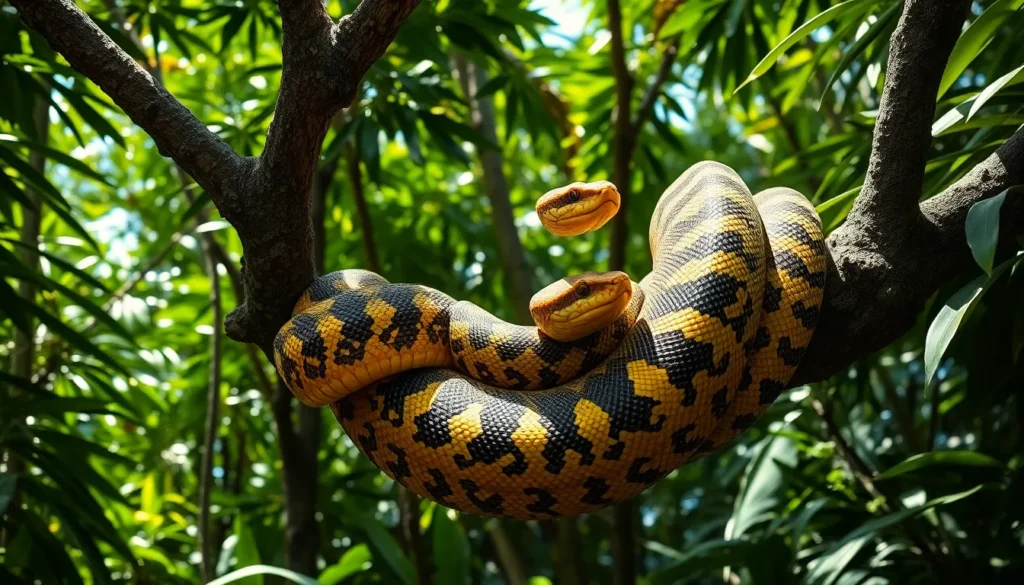
The Burmese python is not your average pet snake; it’s a living, slithering reminder that sometimes bigger really is better. These magnificent reptiles can stretch over 20 feet long and weigh as much as a small car, making them the heavyweight champions of the snake world. But don’t let their size scare you off; they’re more likely to lounge around than launch into a dramatic chase scene.
Native to Southeast Asia, these pythons have gained notoriety as both exotic pets and invasive species in places like Florida. Whether you’re fascinated by their stunning patterns or just love a good snake story, the Burmese python is a creature that demands attention. Get ready to unravel the mysteries surrounding this captivating serpent, because once you dive in, you’ll find it’s not just about the size—it’s about the impact they have on ecosystems and the charm they bring to reptile enthusiasts.
Overview of Burmese Python
Burmese pythons, one of the largest snake species, can grow over 20 feet long and weigh up to 200 pounds, resembling the size of a small car. They are native to Southeast Asia, thriving in diverse habitats such as wetlands, forests, and grasslands. Their striking patterns, featuring dark brown and yellow markings, provide excellent camouflage in their natural surroundings.
These pythons are non-venomous constrictors, relying on their strength to subdue prey. Common prey includes mammals and birds, with adults often consuming large animals like deer and pigs. Their feeding habits contribute to ecosystem dynamics, but they also present challenges when introduced to non-native environments.
As exotic pets, Burmese pythons attract attention for their beauty and size. However, their care requires knowledge, commitment, and appropriate housing. Inappropriate care can result in health issues for the snake and complications for owners.
In Florida, Burmese pythons have become a significant invasive species. Their presence disrupts local ecosystems by predating on native species, leading to declines in biodiversity. Efforts to manage their populations include organized hunting and public awareness initiatives.
The allure of the Burmese python extends beyond their appearance and behavior; understanding their role in ecosystems highlights the complexities of their existence. Responsible ownership and awareness of their ecological impact remain crucial in addressing the challenges posed by this fascinating reptile.
Habitat and Distribution
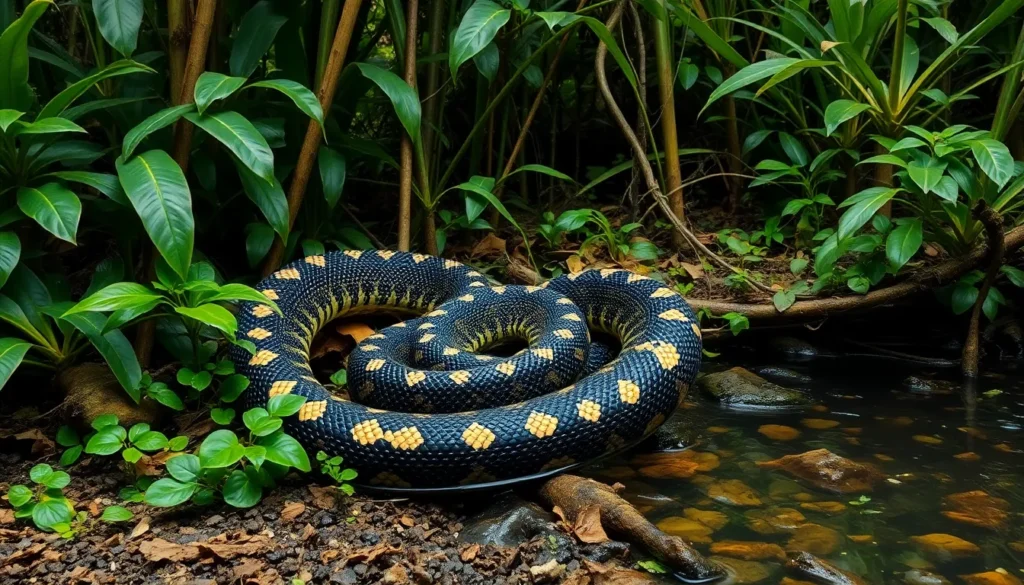
Burmese pythons inhabit various environments but prefer areas with abundant water sources. They thrive in swamps, marshes, and riverine forests, showcasing adaptability to both wet and dry climates. Dense vegetation offers ideal cover for hunting and shelter.
Natural Habitat
Typically found in tropical and subtropical areas, these snakes occupy environments that provide warmth and moisture. They often reside in lowland forests and grasslands, using their camouflage to blend into the surroundings. Water bodies play a crucial role, enabling hunting and basking opportunities.
Global Distribution
Native to Southeast Asia, Burmese pythons extend their range from Myanmar to Indonesia. Their presence extends across countries like Thailand, Malaysia, and Vietnam. Through the pet trade, they have become established in Florida, posing challenges to local wildlife. The expansion demonstrates their resilience and ability to thrive in diverse regions.
Physical Characteristics
Burmese pythons exhibit remarkable physical traits that contribute to their status as one of the largest snake species.
Size and Weight
Typically, these snakes reach lengths of 10 to 20 feet, with the largest specimens occasionally exceeding 23 feet. Weight can range from 100 to 200 pounds, with some individuals reported to weigh as much as 400 pounds. The significant size enables them to consume large prey, including mammals and birds. One of the most notable attributes is their robust, muscular build, which aids in constriction and subduing prey. Sizes vary considerably within the species, depending on environmental conditions and available food sources.
Coloration and Patterns
Burmese pythons showcase a stunning array of colors and patterns. Their bodies often feature a base color that ranges from yellow to brown, interspersed with dark brown or black splotches. These patterns aid in camouflage, allowing them to blend with natural surroundings. The varying coloration enhances their appeal within the exotic pet trade, attracting many enthusiasts. Additionally, some morphs display lighter or darker variations, further diversifying their appearance. This rich tapestry of colors and patterns plays a crucial role in their survival and adaptability in various habitats.
Behavior and Diet
Burmese pythons exhibit fascinating behavior and diet patterns that support their survival in diverse environments. Their hunting techniques and feeding habits reflect their adaptability and predatory skills.
Hunting Techniques
Burmese pythons employ a combination of ambush and stalking tactics. They can remain motionless for long periods, blending into their surroundings until prey approaches. Once the opportunity arises, they strike with incredible speed, using their powerful muscles to constrict and subdue prey. Prey includes mammals like rabbits, deer, and even livestock, showcasing the python’s ability to hunt large animals. These snakes utilize heat-sensing pits along their jaws to detect warm-blooded animals, aiding in locating prey even in darkness. Positioning themselves near water sources increases encounters with potential meals.
Feeding Habits
Feeding habits of Burmese pythons reflect their status as opportunistic eaters. They consume meals rarely but in significant quantities, often eating large prey whole. Digestion, a slow process, can take several days, allowing them to go long periods without eating. Their diet primarily consists of mammals and birds, but they’ll also consume reptiles when necessary. A notable aspect is their ability to tackle sizeable prey, often preying on animals larger than themselves. Ingestion occurs headfirst, a technique that facilitates swallowing. These feeding habits allow them to thrive in various habitats and capitalize on available food sources.
Reproduction and Lifespan
Burmese pythons exhibit unique reproductive traits that enhance their survival and adaptation in various environments. They enter mating season during the warm months, typically between January and March, when males engage in competitive behavior to attract females. During this period, males may use a combination of vocalizations and physical displays to assert dominance. Once a female chooses a mate, copulation can last several hours as the male holds onto her tightly.
Mating Behavior
Mating often involves multiple males vying for the attention of a single female. This competition leads to brief, intense interactions as males entwine around each other. After successful copulation, the female will store sperm for several months, allowing for delayed fertilization. Mature females generally mate every two to three years, depending on environmental conditions and food availability.
Eggs and Hatchlings
Females lay an average of 20 to 100 eggs, depending on her size and health. Nesting typically occurs in secluded areas with adequate humidity and temperature to ensure proper incubation. The female coils around her eggs, providing warmth and protection. After approximately 60 to 70 days, eggs hatch into small, independent hatchlings. These young snakes, measuring around 2 to 3 feet in length, immediately begin to hunt small prey and establish their own territories.
Conservation Status
Burmese pythons face numerous challenges in their natural habitat and in regions where they are considered invasive. Understanding these threats and the efforts made to mitigate them plays a vital role in their conservation.
Threats to Survival
Habitat loss significantly impacts Burmese python populations. Urban development, agriculture, and deforestation reduce available habitats and prey. Invasive species further complicate the survival of Burmese pythons by competing for resources and preying on them. Poaching poses an additional threat, driven by the demand for exotic pets and traditional medicine. Climate change also affects their habitats, as rising temperatures and changing rainfall patterns disrupt breeding and feeding cycles.
Conservation Efforts
Conservation initiatives focus on sustainable management of Burmese python populations. In Southeast Asia, protected areas help safeguard their natural habitats from development and exploitation. Education programs promote responsible pet ownership, reducing the number of pythons released into the wild. Additionally, monitoring and research efforts provide valuable data on population trends and ecological impacts. In Florida, regulatory measures aim to control invasive populations, including public awareness campaigns that encourage reporting sightings. Collaborative efforts between government agencies and conservation organizations enhance the effectiveness of these actions.
Burmese pythons are fascinating creatures that play a vital role in their ecosystems. Their impressive size and adaptability make them both captivating and challenging to manage. As their populations expand in non-native regions like Florida, the need for effective conservation strategies becomes increasingly critical.
Responsible ownership and awareness of their ecological impact are essential for balancing their presence in both natural habitats and the exotic pet trade. By understanding the complexities surrounding Burmese pythons, individuals can contribute to their preservation and ensure a harmonious coexistence with native wildlife.


