
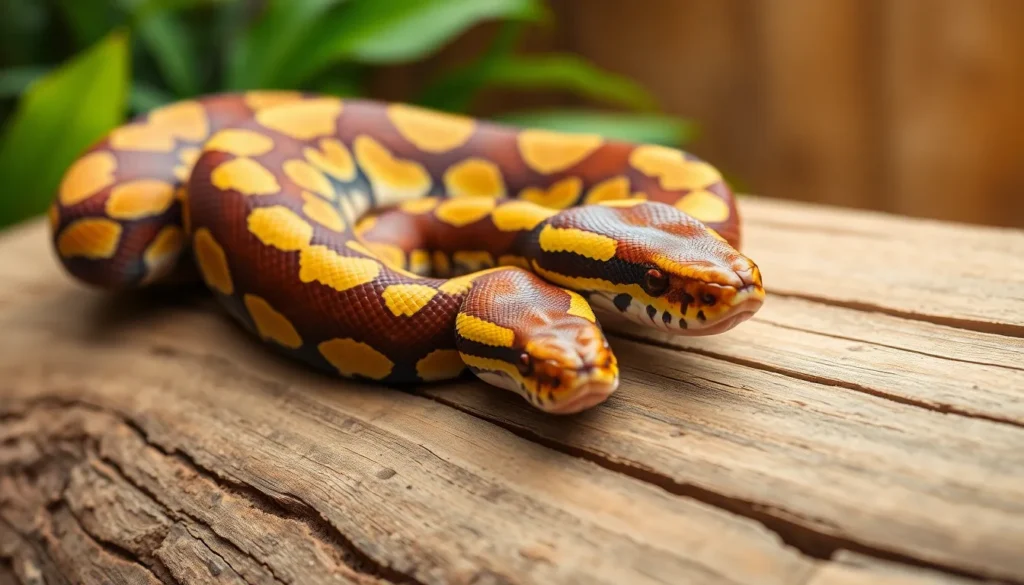
When it comes to pet reptiles, the ball python reigns supreme. With their charming personalities and stunning colors, these slithery companions have won the hearts of many. Imagine a creature that’s not just a pet but a conversation starter—perfect for impressing friends or terrifying that one neighbor who thinks all snakes are out to get them.
Overview of Ball Python
Ball pythons, scientifically known as Python regius, are native to West Africa. Their size typically ranges from 3 to 5 feet in length, making them a manageable choice for reptile enthusiasts. These snakes exhibit a wide variety of morphs, highlighting beautiful patterns and colors that attract pet owners. Common colors include royal morphs, albino, and pastel variations, offering unique visual appeal.
Temperament plays a significant role in their popularity. Ball pythons are generally known for their docile nature. Handling is usually straightforward, even for beginners, as they tend to remain calm during interactions. This quality makes them suitable companions, especially for those new to snake ownership.
Diet consists primarily of rodents, with appropriately sized prey depending on the snake’s age and size. Feeding frequency varies by age, with juveniles eating every 5 to 7 days while adults typically consume meals every 10 to 14 days. Proper care includes providing a suitable habitat with proper heating, humidity, and hiding spots.
Lifespan often reaches 20 to 30 years in captivity, showcasing their potential as long-term pets. Their health is generally good, but regular veterinary check-ups ensure early detection of any issues. Owners find enjoyment in observing their behaviors and personalities, as ball pythons are both fascinating and engaging.
Community support exists for ball python owners, with numerous resources available online and through local reptile groups. This offers a wealth of knowledge for addressing care concerns or sharing breeding tips. Through interaction with fellow enthusiasts, owners can expand their understanding and appreciation of these captivating creatures.
Physical Characteristics
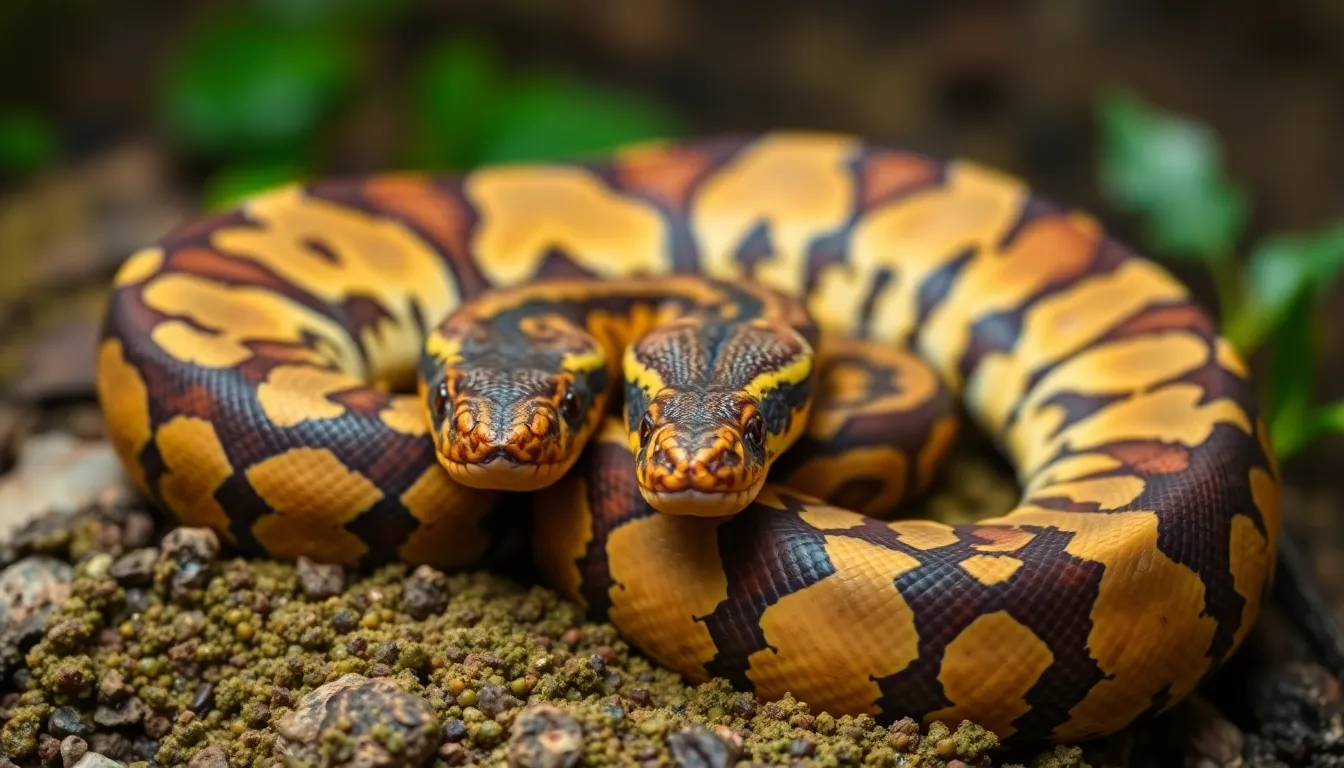
Ball pythons exhibit distinct physical traits that contribute to their popularity as pets. These snakes possess a robust, muscular body and a distinctive triangular-shaped head.
Size and Weight
Typically, ball pythons range from 3 to 5 feet in length. Mature females tend to grow larger, averaging between 4 and 5 feet, while males often stay smaller, reaching about 3 to 4 feet. Weighing between 3 and 5 pounds, their size and weight make them manageable for most pet owners. Snakes grow rapidly in their first year, and proper care can help them reach their full size over time.
Color Morphs
Color morphs play a significant role in the allure of ball pythons. Over 50 morphs exist, each displaying unique colors and patterns. Popular morphs include the royal, albino, and pastel varieties. The royal morph features rich browns and yellows, while albino morphs showcase striking white and yellow hues. Pastel morphs stand out with their bright, vibrant colors. The diversity in color morphs captivates both novice and experienced reptile enthusiasts.
Habitat and Behavior
Ball pythons thrive in specific environments. They originate from the grasslands, savannas, and forests of West Africa, where they prefer warm temperatures and high humidity. These snakes utilize their surroundings for hiding and hunting. They often seek shelter within the burrows of other animals or under foliage. A suitable habitat for ball pythons in captivity mimics these natural conditions by incorporating heat sources, humidity controls, and hiding spots. Proper habitat maintenance fosters their well-being.
Natural Habitat
Natural habitats consist of diverse landscapes. Ball pythons prefer grasslands, bushlands, and sparse forests. Temperature in these regions typically ranges from 75 to 95 degrees Fahrenheit, with humidity levels between 40% and 60%. Adaptation to their environment enhances their survival. In the wild, they utilize tree branches for basking and concealment, which aids in ambush hunting. Various vegetation types provide optimal conditions for hunting rodents and small mammals. Recreating these elements in captivity supports their physical and psychological health.
Temperament
Temperament defines the interaction between ball pythons and their handlers. Generally, these snakes exhibit a calm demeanor and rarely display aggression. They adapt quickly to new environments, showcasing curiosity instead of fear. Handling sessions yield positive experiences, as ball pythons prefer gentle interactions. Individuals soon recognize familiar handlers, forging a bond that eases stress during handling. Socializing early encourages confidence and reduces the likelihood of defensive behavior. Ball pythons maintain docility, making them ideal companions for both novice and experienced keepers.
Care Requirements
Ball pythons require specific care to thrive in captivity. Maintaining proper conditions ensures these snakes remain healthy and content.
Enclosure Setup
Select an appropriate enclosure size, with a minimum of 40 gallons recommended for adults. Use secure lids, as ball pythons can escape. Provide temperature gradients, with basking spots at 88 to 92°F and cooler areas at 75 to 80°F. Humidity levels between 50 to 60% support shedding and overall health. Incorporate hiding spots, like caves or foliage, which allow for security and comfort. Additionally, offer a water bowl large enough for soaking, as hydration is crucial.
Feeding and Diet
Feeding typically consists of appropriately sized rodents, such as mice or rats. Adult ball pythons generally eat every 1 to 2 weeks, while younger snakes may require meals every 5 to 7 days. Thaw frozen prey before offering to avoid potential harm. Monitor the size of the prey; a rule of thumb is to select prey about the same diameter as the snake’s widest part. Regular feeding contributes to optimal growth and health, making it a priority for owners.
Health Considerations
Maintaining the health of ball pythons requires attention to their specific needs. Proper care prevents common health issues and ensures a long, healthy life.
Common Health Issues
Ball pythons face various health issues that owners should recognize. Respiratory infections often occur due to poor ventilation or low temperatures. Another prevalent concern is obesity, which results from overfeeding or inappropriate diet. Shedding problems can arise when humidity levels aren’t adequate, leading to retained skin. Additionally, parasites like mites and ticks may infest unmonitored snakes, impacting their health. Identifying symptoms early can help in addressing these issues effectively.
Regular Maintenance
Regular maintenance plays a crucial role in keeping ball pythons healthy. Weekly habitat cleaning prevents bacteria build-up and keeps the environment safe. Maintaining correct temperature gradients requires consistent monitoring of heat sources. Humidity levels should also be checked regularly, ideally at 50 to 60 percent. Inspecting the snake for signs of distress or illness during handling promotes early detection of health problems. Lastly, scheduling annual veterinary check-ups helps ensure all health aspects are evaluated properly.
Ball pythons continue to capture the hearts of reptile enthusiasts with their stunning variety and gentle nature. Their manageable size and docile temperament make them an excellent choice for both new and seasoned pet owners. With proper care and attention, these snakes can thrive for decades, providing companionship and fascination.
As the community around ball pythons grows, resources and support become more accessible, allowing owners to deepen their understanding and appreciation of these remarkable reptiles. Embracing the journey of caring for a ball python can lead to rewarding experiences and lasting bonds.


